What to know about narrow stair removals in Knightsbridge
Posted on 18/06/2026

If you are moving in Knightsbridge, there is a good chance the staircase will be the awkward part. Tight turns, narrow landings, polished banisters, basement flights, and a lift that is, frankly, too small for the job can turn a simple move into a careful operation. This guide explains what to know about narrow stair removals in Knightsbridge, so you can plan properly, avoid damage, and keep the whole process calm rather than chaotic.
Whether you are leaving a flat off Sloane Street, moving into a period property near Lowndes Square, or shifting a few heavy pieces between floors, the key is preparation. The stairwell is rarely just "a staircase"; it is the bottleneck that decides what can move, when it can move, and how many hands you need on the day. Let's get into the practical stuff.
Why narrow stair removals in Knightsbridge matter
Knightsbridge properties often come with character, and character usually means old stair geometry. You see it in converted apartments, mansion blocks, townhouses, mews homes, and upper-floor flats where the staircase was never designed for modern sofas, kingsize beds, or large white goods. In practical terms, that means a move can fail at the last ten feet if nobody has measured properly.
That matters for three reasons. First, damage risk. A badly planned carry can scratch walls, chip plaster, dent stair treads, or damage your furniture. Second, time. A move that should take an hour can stretch into most of the morning if the access is tight and the team has to keep re-routing bulky items. Third, stress. Nobody wants to stand in a hallway while a wardrobe gets stuck halfway around a turn. Not ideal. Not at all.
There is also a local reality to consider. Many Knightsbridge streets are busy, with limited parking and restrictions that make every minute count. If the staircase is narrow as well, the move becomes a two-part puzzle: outside access and inside access. A good removal plan has to solve both.
For some moves, the best first step is to compare the available service options on the removals services overview and then look at flat removals in Knightsbridge if you are dealing with upper-floor access. Those pages can help you think through the type of support you actually need, rather than guessing and hoping for the best.
How narrow stair removals in Knightsbridge work
At a simple level, narrow stair removals are about shrinking the problem into manageable parts. Instead of trying to force everything down the stairs as-is, the crew assesses each item, plans the carry route, and chooses the right technique for the building. That might mean dismantling furniture, using protective materials, assigning extra handlers, or moving items in a strict sequence so the staircase never becomes blocked.
A proper narrow-stair move usually starts before the van arrives. The team will want to know the width of the staircase, the height of each landing, the number of turns, and whether there are obstacles such as radiators, light fittings, bannisters, or low ceilings. Sometimes the trickiest part is not the stairs themselves but the angle into the first landing. You can have a staircase that looks fine from below and still discover a nasty pinch point halfway up.
On the day, the move is often broken into smaller tasks:
- Protect the stairwell with covers, pads, and floor protection.
- Check the route from each room to the stairs.
- Remove or loosen furniture that can be dismantled safely.
- Carry smaller pieces first if they clear space for the larger items.
- Use controlled lifting and turning techniques at each landing.
- Pause and re-assess if an item is too large or awkward to force through.
That last point is important. Good movers do not treat the staircase like a competition. They stop, think, and adjust. In our experience, that is often what separates a smooth move from a headache with scuffed walls.
If your move involves a sofa, armchair, wardrobe, or other oversized item, it may also be worth looking at furniture removals in Knightsbridge. And if you need a smaller crew and vehicle combination for tight access, the local guidance on man and van support in Knightsbridge can be a useful fit.
Key benefits and practical advantages
A well-managed narrow stair removal is not just about getting things out of the building. It gives you control. That sounds simple, but honestly, control is half the battle.
- Less damage to walls, skirting boards, stair rails, and furniture.
- Better timekeeping because the team is working to a plan, not improvising at the landing.
- Safer handling for people carrying heavy or awkward items on stairs.
- Reduced disruption for neighbours in shared buildings and mansion blocks.
- Improved cost visibility because access issues are identified early rather than becoming surprises on the day.
There is also a psychological benefit, and people underestimate this. When a mover tells you, "Yes, we can handle that staircase, but we need to plan it properly," it takes a lot of the panic out of the process. You are no longer hoping the sofa will magically fit. You are working from reality. Much better.
For people who want predictable budgeting, it helps to review pricing and quotes and, if needed, check the company's published prices before making a booking. Access-heavy moves can vary, so transparent pricing matters more than ever. No one enjoys the "oh, by the way" conversation at the end.
Who this is for and when it makes sense
Narrow stair removals are relevant to anyone moving in buildings where access is tight, but some people need this service more than others.
You will likely need specialist planning if you are:
- moving from a top-floor flat with no practical lift access
- living in a period property with steep or winding stairs
- relocating larger furniture items such as wardrobes, beds, or desks
- moving piano, mirrored, or fragile items through a confined stairwell
- working to a same-day deadline and cannot afford delays
- managing a landlord changeover, tenancy end, or urgent eviction move
It also makes sense for students or shorter-term tenants moving in and out of compact flats. Knightsbridge has plenty of high-value homes, but there are also smaller apartments and converted layouts where stair access is just plain awkward. If the lift is tiny and the stairs are the only route for a mattress, you need more than muscle. You need a plan.
If you are in a time-sensitive situation, same-day removals in Knightsbridge may be relevant. For urgent tenancy pressure, the local notes on same-day Knightsbridge removals for urgent flat evictions can also help set expectations. It is not glamorous, but it is real-life moving, and real life does not always wait.
Step-by-step guidance
Here is the cleanest way to approach a narrow stair move without turning it into a drama.
1. Measure the staircase and the furniture
Measure the height and width of the tightest points, not just the widest bits. That includes landings, bends, doorways at the top or bottom, and the internal stairwell. Then measure the furniture in its actual carry orientation. A wardrobe can look manageable flat on the floor and become impossible once it is tilted toward a landing.
2. Identify anything that can be dismantled
Beds, table legs, shelving, and some wardrobes can often be taken apart safely. This is especially useful in Knightsbridge flats where stair corners are tight. Dismantling often saves more time than trying to force a full-size item through a stubborn turn. If you need help with packing decisions too, packing and boxes guidance in Knightsbridge can help you think through what should be boxed, wrapped, or left assembled.
3. Clear the route before move day
It sounds obvious, but it saves a lot of grief. Remove loose rugs, ornaments, shoe racks, and anything else that could catch a foot or reduce turning space. If you have a narrow hallway at the bottom of the stairs, clear that too. The route matters as much as the staircase itself.
4. Protect surfaces properly
Use floor runners, corner protectors, padded wraps, and stair covers where needed. In older properties, even a small bump can mark paint or nick a bannister. You do not want the move to leave a little souvenir on every wall it passes.
5. Decide what goes first
Sometimes the move should start with small boxes to create room. Other times the biggest item has to go first while the stairs are still clear. This is where experienced movers earn their keep. The sequence is not random; it is chosen to minimise blockages and reduce re-handling.
6. Use the right vehicle and team size
For tight access, a smaller vehicle and a compact team can be better than a large van that has to overshoot the street or create loading issues. If your route needs careful vehicle placement, the local page for removal van support in Knightsbridge may be worth reviewing alongside man with a van in Knightsbridge. It is all about matching capacity to access, not just booking the biggest option.
7. Reassess on the spot
If an item will not turn safely, stop. Do not "just try one more time." That phrase has caused a lot of dents over the years. Better to pause, re-wrap, dismantle further, or change the carry angle than to force a bad fit.
Expert tips for better results
There are a few habits that make narrow stair removals far easier, and they are simple enough that people often overlook them.
- Photograph the stairwell from bottom, middle, and top. This helps a removal team judge turns and landings before arriving.
- Tell the crew about low ceilings, awkward door swings, and any recent decorating work. Fresh paint and move day are not a great mix.
- Label awkward items so everyone knows which ones need extra care.
- Keep a "last off, first on" box with essentials, because the day tends to run longer when access is tight.
- Book earlier in the day if possible. Stairs, fatigue, and late-afternoon rush do not go together very well.
Another useful tip: if you have valuable or sentimental items, say so early. A mover can treat a heavy object carefully, but they need to know which pieces deserve extra attention. Truth be told, most problems in tight stair moves happen because someone assumed the team already knew what mattered most.
If you are moving a valuable instrument or a delicate upright through stair access, you may also want to look at specialist piano removals. That URL is the only one available in the site list, so if you use it, make sure the area-specific page is actually the right fit before you rely on it. And yes, this is the sort of detail that saves stress later.

Common mistakes to avoid
Most narrow stair removal problems are preventable. The mistakes are usually practical, not mysterious.
- Measuring the wrong thing - people measure the stair width but forget the landing or turn.
- Ignoring furniture depth - a tall item may fit if carried one way, but not another.
- Assuming the lift will help - many Knightsbridge lifts are too small or too restricted for larger items.
- Not checking access times - some buildings or streets are less forgiving than they look on a map.
- Leaving fragile objects inside bulky furniture - drawers, shelves, and loose fittings can shift mid-carry.
- Booking the wrong vehicle size - too large can be awkward, too small can mean extra trips.
One especially common slip is underestimating how tiring stairs are. The first few carries feel fine, then fatigue creeps in, grips get sloppy, and everyone starts moving a little slower. It happens. That is why pacing and team planning matter so much.
If cost transparency is a concern, have a look at how to avoid hidden removal charges in Knightsbridge moves. It is a useful reminder that tight access should be discussed early, not left to guesswork after the van has arrived.
Tools, resources and recommendations
You do not need specialist engineering equipment for every narrow stair move, but the right moving tools make a huge difference. The useful basics include:
- removal blankets and padded wraps
- stair protectors and floor runners
- ratchet straps and lifting straps
- trolleys or dollies for flat, stable items where appropriate
- disassembly tools for furniture
- strong tape, gloves, and labels
For many households, the biggest "resource" is not equipment but information. Good photos, accurate measurements, and a clear inventory usually beat vague instructions every time. If you are trying to work out what level of support you need, the removal services page for Knightsbridge is a sensible place to compare options, and removal companies in Knightsbridge can help you think through what a specialist provider should be able to handle.
For broader trust signals, it is worth checking pages that explain how a company handles insurance and safety, as well as its health and safety policy. Those pages are not glamorous, but they tell you a lot about how the operator thinks. Same goes for about us; it is often a quick way to gauge whether the business sounds organised, grounded, and real.
Law, compliance, standards and best practice
For narrow stair removals, the main compliance issue is usually not a single law about stairs. It is the broader duty to move goods safely, protect people, and avoid preventable damage. In UK removals, that means sensible manual handling, risk awareness, and proper care in shared buildings. A professional team should be thinking about safe lifting, load distribution, surface protection, and communication throughout the job.
If the building is a block of flats, there may also be local rules from the landlord, managing agent, or building management about using lifts, service entrances, service hours, or protection for common areas. That is not something to wing on the day. It is better to ask early than to have a porter tell you the lift is out of action for "one quick move" that turns into forty-five minutes of waiting.
Best practice usually includes:
- conducting a pre-move access check
- identifying hazards such as slippery steps or weak lighting
- briefing the crew on item fragility and route complexity
- using suitable protective materials
- keeping corridors and stairs clear while items are carried
- documenting any unusual access constraints before quoting
For more general site policies, you may also want to review terms and conditions, privacy policy, and payment and security. Those pages are not directly about stair removals, but they help set expectations about how a professional service operates.
Options, methods, and a comparison table
Not every narrow stair move needs the same approach. A sofa, a student move, and a piano are three very different jobs, even if they all have to pass the same awkward turn.
| Method | Best for | Strengths | Limitations |
|---|---|---|---|
| Standard two-person carry | Smaller boxes, light furniture, straightforward staircases | Quick, simple, cost-effective | Not suitable for bulky or fragile items |
| Enhanced team carry | Large sofas, wardrobes, heavy appliances | Better control and safer on turns | Needs more planning and coordination |
| Dismantle-and-carry | Oversized furniture in tight flats | Improves fit through narrow landings | Takes extra time and may need reassembly |
| Specialist item handling | Pianos, antiques, mirrors, artwork | Highest level of care for valuable items | Usually more involved and access-sensitive |
For general household moves, you might compare this with house removals in Knightsbridge or flat removals in Knightsbridge. If you are looking for a compact urban setup, man and van in Knightsbridge can be a practical middle ground. The right method depends on access, volume, and how much care the items need.
Case study or real-world example
Here is a realistic scenario. A couple moving out of a third-floor Knightsbridge flat had a narrow stairwell with a tight 90-degree turn at the second landing. Their biggest problem was a long wardrobe and a heavy sofa. The wardrobe would not make the turn upright, and the sofa was too awkward to lift without repeatedly grazing the wall.
The solution was not heroic brute force. It was methodical. The crew measured the available angle, removed the wardrobe doors and internal shelves, wrapped the frame, and carried the sofa with an extra handler at the landing so the weight could be rotated smoothly. The stair runner protected the steps, and the hallway was kept clear while the larger pieces moved.
What did that change? The job became slower for the first twenty minutes and faster overall by the end. More importantly, there was no damage, no panic, and no one standing around saying, "Why didn't we check this earlier?" That is the kind of outcome narrow stair planning is meant to deliver.
A similar approach often works well in tighter local streets too, especially where access from vehicle to doorway is short but awkward. If you want an example of access-aware moving tips in the area, these Sloane Street narrow-access tips are a useful companion read.
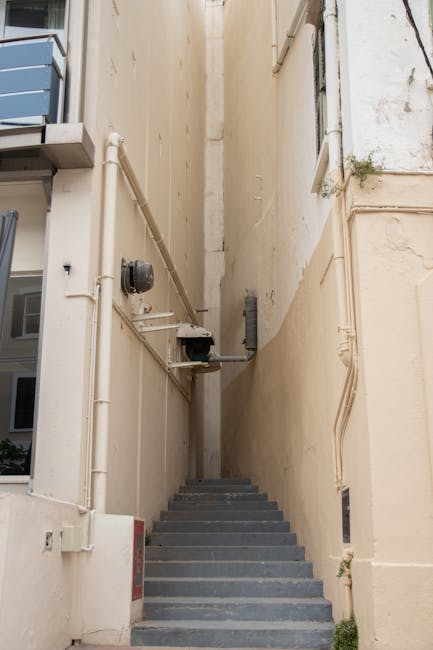
Practical checklist
Use this before the move. Honestly, this little list saves a lot of late-night stress.
- Measure the tightest points on the staircase and landings
- Measure each large item in its carry orientation
- Photograph the access route from both ends
- Tell the movers about lifts, parking limits, and building rules
- Identify items that can be dismantled safely
- Clear hallways, stairs, and landing spaces
- Protect floors, corners, and banisters
- Separate fragile or valuable items
- Confirm whether the job needs extra hands
- Check pricing, payment terms, and timing in advance
- Keep essentials with you rather than packed deep in boxes
Expert summary: narrow stair removals in Knightsbridge work best when access is measured honestly, large furniture is treated as a planning exercise rather than a lifting contest, and the mover understands both the street outside and the staircase inside. That combination is what keeps the move calm, efficient, and safe.
Conclusion
Narrow stair removals in Knightsbridge are all about preparation, patience, and choosing the right method for the building in front of you. If the staircase is tight, the most valuable thing you can bring to move day is not extra confidence; it is information. Measurements, photos, access notes, and a realistic plan will make the entire process smoother.
When you get the setup right, even an awkward stairwell stops being a problem and becomes just another part of the route. That is the real goal here: fewer surprises, fewer scratches, and a move that feels under control from start to finish. And, to be fair, that is a pretty good result.
If you are comparing options, reviewing specialist support, or trying to understand what your move might involve, take a look at the relevant Knightsbridge removal pages and work from there. A little planning now can save a lot of tired shoulders later.
Get a free quote today and see how much you can save.

Possessing many years of experience in the removals sector, Robin stands as a proficient author with the ability to generate a variety of articles covering an extensive range of removals topics. His expertise has been instrumental in aiding thousands of individuals with their moves.


