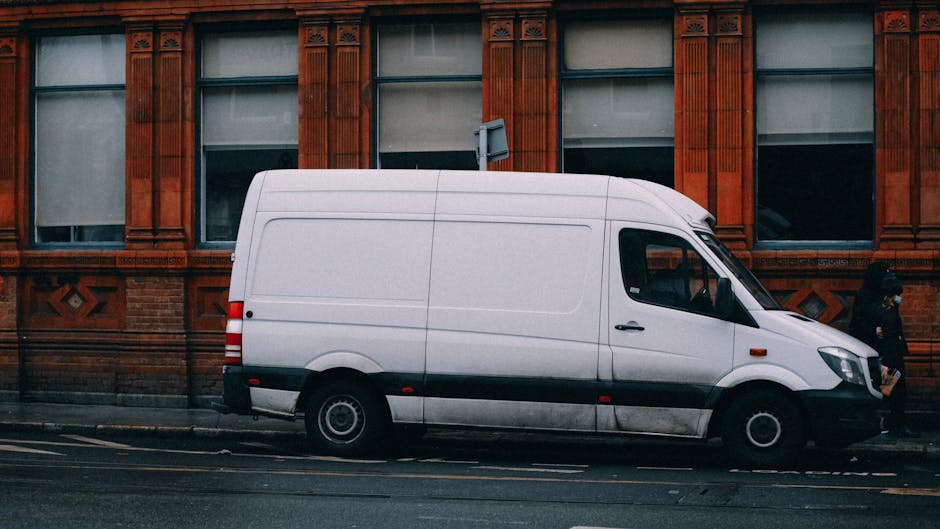
Sloane Street Knightsbridge man and van tips for narrow access
Moving on Sloane Street can look simple from the pavement and then suddenly become awkward the moment a van arrives. The road is elegant, busy, and unforgiving if you have a sofa that is too wide, a doorway that barely clears a hand truck, or a loading spot that disappears faster than your morning coffee. That is exactly why Sloane Street Knightsbridge man and van tips for narrow access matter: they help you avoid delays, reduce damage, and make the move feel organised rather than chaotic.
If you are dealing with a flat, townhouse, serviced apartment, office, or a partial move in Knightsbridge, the key is not just finding a van. It is matching the right vehicle, the right approach, and the right timing to a street where access can be tight and patience is sometimes in short supply. This guide walks through what works, what does not, and the practical details people often miss until the day of the move.
Expert summary: On narrow-access jobs, success usually comes from three things: accurate pre-checks, compact vehicle choice, and a calm unloading plan. Get those right and the rest becomes much easier.
Why Sloane Street Knightsbridge man and van tips for narrow access Matters
Sloane Street sits in one of London's most polished and high-demand areas, but the polished look can be deceptive. Delivery bays may be limited, pavement space can be awkward, and the route from van to front door is not always straightforward. A move that feels manageable on paper can become a half-day puzzle if the vehicle is too large or if access is not measured properly.
Narrow access matters because every extra step adds risk. A longer carry means more chances of bumping walls, catching corners, or tiring out the team before the hardest items are even moved. It also affects timing. On a street where parking or stopping windows may be tight, even a small delay can throw off the whole schedule. Truth be told, many bad moving days start with one assumption: "It'll probably be fine."
That is rarely the best plan on a central London street. A good man and van setup should treat access as a core part of the job, not an afterthought. If you are comparing services, pages like our Knightsbridge man and van service, the man with a van option, and the broader removal services overview are useful starting points for understanding what support is available.
How Sloane Street Knightsbridge man and van tips for narrow access Works
At a practical level, the job works by shrinking the moving problem into smaller, more controllable parts. Instead of one large removal lorry trying to park close to the building, a compact van or smaller removal vehicle is used to work within the street conditions. Items are then carried in safer loads, usually with more manoeuvring space and less pressure on the entrance.
In a narrow-access situation, the route is as important as the destination. You want to know where the van can stop, how far items will be carried, whether there are steps, whether the lift can take bulky furniture, and whether the street allows easier loading at certain times of day. On Sloane Street, that planning stage can save an enormous amount of stress later. It is the sort of thing people only appreciate after they have tried dragging a wardrobe around a corner and realised the corner had other ideas.
A good moving team will usually look at:
- vehicle size and turning space
- distance from van to entrance
- stairs, lifts, and corridor width
- furniture dimensions and awkward shapes
- parking or stopping restrictions
- timing around traffic, residents, or deliveries
If the property is a flat or maisonette, it is worth checking the specific move type too. The pages on flat removals in Knightsbridge and house removals in Knightsbridge help clarify how different property types influence planning. For larger or mixed household jobs, a suitable removal van in Knightsbridge can be the difference between a neat move and a very long morning.
Key Benefits and Practical Advantages
The biggest advantage of getting narrow-access planning right is simple: fewer surprises. But there are several smaller benefits that matter just as much on the day.
1. Less handling, less damage
The shorter the carry and the cleaner the route, the less likely furniture is to get nicked, scraped, or dropped. That matters a lot in period properties and well-finished flats where a tiny mark stands out like a bad joke at a formal dinner.
2. Better use of time
Compact access planning usually speeds things up. When the van can stop as close as possible and the route is clear, loading becomes more efficient. You can spend the saved time on wrapping, checking, and making sure the final items are not left behind in a cupboard somewhere.
3. Lower physical strain
Narrow hallways and long carries are tiring. A properly sized van, good lifting technique, and clear access reduce strain on everyone involved. That is not just about comfort. It is about avoiding mistakes when people are tired.
4. Better control over awkward items
Things like mirrors, tall lamps, dining tables, and modular shelving are much easier to manage when the route is planned. For specialist pieces, take a look at furniture removals in Knightsbridge because it helps you think through handling, wrapping, and sequence in a more detailed way.
5. More confidence for last-minute changes
Sometimes access changes on the day. A delivery vehicle is in the way, a resident car is parked where you expected room, or the lift is being used. When your move is already set up with a compact, flexible plan, you can adjust without everything falling apart.
Who This Is For and When It Makes Sense
This approach is especially useful for people moving in or around Knightsbridge who face tight entrances, busy pavements, or limited stopping options. It is not just for major moves either. Sometimes a small job is the hardest one, because a single awkward sofa can be more problematic than ten neatly boxed items.
You will probably benefit from narrow-access planning if you are:
- moving into or out of a flat with narrow stairs or a small lift
- relocating a furnished apartment on Sloane Street
- moving a few large pieces rather than an entire home
- arranging a quick same-day collection or drop-off
- handling an office or studio move with limited roadside access
- transporting delicate items that need careful handling
It also makes sense if you are trying to keep disruption low. Knightsbridge is a place where people notice noise, foot traffic, and parking manoeuvres more than they might elsewhere. The goal is to be efficient and unobtrusive. That is especially true if you are moving between properties while coordinating with a lease end date, a sale completion, or even a short storage period. If that sounds familiar, storage options may also be worth considering as part of the plan.
For residents and newcomers curious about the local rhythm, the pieces on what residents say about living in Knightsbridge and removals across SW1 give useful context on how local moves tend to unfold.
Step-by-Step Guidance
Here is a practical way to organise a narrow-access man and van move on Sloane Street without overcomplicating it.
- Measure the access points. Check doorway widths, stair turns, lift dimensions, and corridor bottlenecks. Measure the items too, not just the building. A tape measure saves arguments later.
- Map the loading point. Identify where the van can safely stop, even if only for a short window. Think about whether one-way traffic, nearby properties, or busier hours will affect that stop.
- List the awkward items first. Sofas, mattresses, headboards, armchairs, wardrobes, pianos, glass tables, and large artwork usually shape the whole plan.
- Decide what needs dismantling. Some furniture should come apart before moving. If you are unsure, label the fixings and take photos before removing anything.
- Pack by route, not just by room. Keep the heaviest and most fragile boxes where they can be reached in the right order. The first few minutes matter more than people think.
- Protect both property and furniture. Use blankets, wrapping, corner guards, and floor protection where needed. Narrow access often means more contact with walls or doorframes.
- Confirm the plan with the mover. Share photos, videos, or floor plans. A quick walkthrough call can prevent a lot of head-scratching on the day.
- Build in extra time. Central London moves can be perfectly smooth and still take longer than expected. Better to have a buffer than to rush the final lift.
A small but useful habit: send a photo of the tightest corner, not the nicest room. That one image usually tells the story.
Expert Tips for Better Results
Below are the details experienced movers pay attention to, the things that sound minor but end up mattering a lot.
Choose the van for access, not just volume
People often focus on cubic capacity. Fair enough. But in narrow access, manoeuvrability is often more important than raw size. A slightly smaller van parked in a sensible spot may beat a larger one that blocks the street or cannot get close enough to the property.
Use a two-stage load where needed
If the access is especially tight, it can help to load larger items near the entrance first and boxier items later. That way the team is not constantly reshuffling the van like a Tetris game that has already lost control.
Have a fallback route
Sometimes the ideal stop is not available. The smartest moves include a backup point, such as a side street or another loading opportunity nearby. It sounds obvious, but people forget it until they are standing with a wardrobe and nowhere to put the van.
Protect corners and floor finishes
Older buildings and high-spec interiors can be unforgiving. Use door guards, protective wraps, and floor runners where appropriate. If the building has polished stone, narrow carpeted stairs, or delicate paintwork, say so in advance.
Ask about insurance and safety procedures
For peace of mind, check the mover's approach to handling, public liability, and goods protection. The insurance and safety information is worth reviewing before you book. Likewise, the health and safety policy and terms and conditions can tell you how the company works in practice.
Plan around the building, not just the street
Sometimes the street access is fine, but the lift is tiny, the hallway has an awkward bend, or the concierge needs notice. That is the hidden part of many Knightsbridge moves. The van may be ready, but the building still has the final say.
Common Mistakes to Avoid
Most narrow-access problems are preventable. The tricky bit is that they often look harmless right up until moving day.
- Not measuring bulky items. A sofa that "should fit" is a classic source of trouble.
- Assuming parking will sort itself out. On busy streets, assumptions are expensive.
- Booking a van that is too large. Bigger is not always better in Knightsbridge.
- Forgetting about stair turns and lift limits. Height and width both matter, and so does the angle of the turn.
- Packing boxes too heavy. Heavy boxes become awkward very quickly on stairs or long carries.
- Leaving dismantling until the last minute. No one enjoys unscrewing furniture at 7 a.m. with a hallway full of boxes.
- Not sharing photos in advance. A few clear pictures can solve problems before they happen.
One more thing. Don't ignore weather. A wet pavement in central London changes the feel of a move completely, even if it is only a light drizzle. Footing, grip, and wrapping all become more important. It's not dramatic, just practical.
Tools, Resources and Recommendations
You do not need a warehouse of equipment to handle a narrow-access move well. But the right tools make a visible difference.
| Tool or resource | Why it helps | Best use |
|---|---|---|
| Measuring tape | Confirms item and doorway sizes | Before booking and before loading |
| Furniture blankets | Protects finishes from scrapes | Doorframes, stairwells, van loading |
| Protective wrap | Keeps edges and surfaces safe | Tables, mirrors, cabinets |
| Gloves with grip | Improves control on awkward items | Manual handling in tight spaces |
| Floor runners or mats | Reduces marks and dirt transfer | Hallways, landings, polished floors |
| Clear phone photos | Helps the mover assess access remotely | Pre-move planning |
For pricing context, you can review our pricing information and the dedicated pricing and quotes page. If you prefer a quick snapshot of what is covered, the services overview is a good companion read. And if your move is time-sensitive, same-day removals in Knightsbridge may be the right fit, provided access can be planned properly.
If you are still deciding between a basic van hire and a more structured moving service, the article on choosing removal companies in Knightsbridge can help you compare service depth, not just headline price. That matters more than people think.
Law, Compliance, Standards, or Best Practice
For a local move on a street like Sloane Street, compliance is mostly about behaving in a way that is safe, sensible, and respectful of local conditions. You do not need to become an expert in transport law to get this right, but you should expect a professional mover to understand the practical side of London operations.
Good practice usually includes:
- stopping and loading only where it is lawful and safe to do so
- avoiding obstruction to pedestrians, residents, and traffic
- using suitable manual handling techniques
- protecting the property and the items being moved
- being clear about insurance, liability, and service limits
- following any building rules, concierge instructions, or access procedures
In the UK, moving work is also shaped by general health and safety expectations. That means the mover should use sensible lifting methods, communicate clearly, and avoid unnecessary risk. If you need reassurance on the company's approach, reviewing the about us page, complaints procedure, and accessibility statement can be useful. They tell you a lot about how the business thinks, and in this line of work that matters.
There is also a wider sustainability angle. If you are decluttering during the move, the recycling and sustainability approach can help you make better disposal decisions instead of sending everything straight to landfill. Not glamorous, but honestly, it is the sort of thing that leaves people feeling better once the boxes are gone.
Options, Methods, or Comparison Table
Different move types suit different situations. If you are on Sloane Street and access is narrow, the choice should be based on space, time, and the amount of furniture involved rather than habit.
| Option | Best for | Pros | Limitations |
|---|---|---|---|
| Man and van | Smaller or medium moves, tight access, flexible timing | Agile, practical, usually easier to place close to the property | May need multiple trips for larger loads |
| Removal van only | People with their own helpers or simple loads | Can be cost-effective for straightforward jobs | Less hands-on support |
| Full removals service | Large homes, complex furniture, more fragile items | More support, more planning, less lifting stress | Can be more than you need for a small move |
| Storage plus move | Delays between properties, refurbishments, staging | Gives breathing room if dates do not line up | Requires extra coordination |
For a lot of Sloane Street jobs, the man and van option hits the sweet spot. It is flexible enough for tight access and structured enough to keep the process under control. If the move is bigger than expected, you can still scale up to house removals or mix it with storage, depending on the timing.
Case Study or Real-World Example
Imagine a second-floor flat near Sloane Street with a narrow entrance, a small lift, and one long sofa that barely fit through the hallway on the way in. The resident had assumed a standard van would do the job. On paper, the contents were modest. In reality, the access was the problem.
Before moving day, the team asked for photos of the entrance, lift, sofa, and stairwell. That one step revealed the sofa would need careful tilting and a shorter carry would make a huge difference. A compact van was booked instead of a larger vehicle, and the loading point was chosen to keep the walk from van to door as short as possible. The sofa was wrapped, the route was cleared, and the move was completed without forcing anything through the frame.
Nothing dramatic happened. And that was the point.
The client later said the best part was not the speed, but the sense that nobody was improvising. That is often the real value of narrow-access planning. It turns what could be a tense, clumsy day into a series of small, controlled steps. The move still feels like a move, of course. But a calmer one. Which, frankly, is worth a lot.
Practical Checklist
Use this checklist the day before and again on the morning of the move.
- Measure the widest furniture pieces
- Check doorway, stair, and lift dimensions
- Confirm where the van can stop
- Share photos of the tightest access points
- Label fragile items clearly
- Prepare protective wrapping and blankets
- Empty drawers and loose shelves
- Separate tools and fixings for dismantled furniture
- Pack a small essentials bag for the first night
- Check building access rules and timings
- Keep phone numbers handy for the mover and building contact
- Allow extra time for central London traffic
If you can tick those off, you are already ahead of most moving-day surprises. Not all of them, maybe. But most.
Conclusion
Sloane Street moves are rarely difficult because of distance. They are difficult because of detail. Narrow access changes everything: the van choice, the timing, the route, the handling, even the order in which boxes come out of the property. Once you account for those things properly, the move becomes much more manageable.
The best Sloane Street Knightsbridge man and van tips for narrow access are the simplest ones: measure carefully, share information early, choose a vehicle that suits the street rather than just the load, and keep the plan flexible enough to cope with real-world London conditions. That mix usually beats bravado every time.
If you are still weighing up your options, you may find it helpful to review removals in Knightsbridge alongside the service pages above, then compare that with your access, timing, and furniture list. A little planning now tends to save a lot of fuss later.
Get a free quote today and see how much you can save.
Frequently Asked Questions
What is the best man and van setup for narrow access on Sloane Street?
The best setup is usually a compact, well-equipped vehicle with enough loading flexibility to park as close as possible to the entrance. The right choice depends on furniture size, stair access, and the distance from the van to the door.
Do I need to measure my furniture before booking?
Yes, especially for sofas, wardrobes, beds, mirrors, and tables. A quick measurement can prevent the most common access problems and helps the mover plan the load more accurately.
Can a man and van service handle flats with small lifts?
Usually, yes, provided the lift dimensions and any building rules are checked in advance. In some cases, bulky items may need to use stairs or be dismantled before the move.
Is a larger van always better for removals in Knightsbridge?
No. On narrow streets, a smaller or more manoeuvrable van can be much more practical. Bigger vehicles may create access issues, which can slow everything down.
How early should I book if access is tight?
As early as you can, especially if you need a specific time window or weekday. Early booking gives more room for planning and can help if the mover needs to review photos or access details.
What should I send the mover before moving day?
Send photos of the entrance, hallway, stairs, lift, and any tricky corners. It also helps to share the size of the largest furniture items and any loading restrictions you already know about.
Can I move during busy traffic hours on Sloane Street?
Sometimes, but it may be less efficient. A professional mover will usually try to choose a time that reduces delay and keeps the loading process smoother. The exact timing depends on access and local conditions.
What happens if the van cannot stop right outside the property?
Then the team may need to carry items from a nearby legal stopping point. That is why route planning matters so much. A short extra walk can still be manageable if it is planned properly.
Do I need special help for heavy or fragile furniture?
Yes, if the item is awkward, valuable, or unusually heavy. Specialist handling, wrapping, and careful sequencing can make a big difference. For those jobs, furniture-specific support is often the safest option.
How do I know whether I need removals or just a man and van?
If the job is relatively small or the access is awkward but the contents are limited, a man and van service is often enough. If you have a larger household, more fragile furniture, or multiple rooms to clear, a fuller removals service may be better.
Are there extra costs for narrow access?
There can be, depending on the time involved, the number of carries, the amount of manual handling, and whether extra help or equipment is needed. It is best to ask for a clear quote that reflects the actual access conditions.
What is the biggest mistake people make on narrow-access moves?
The biggest mistake is underestimating the access itself. People often think about the items first and the route second, but on Sloane Street the route can be the deciding factor.
Where can I check service details and company information?
Start with the service pages, pricing pages, and trust pages such as services overview, pricing and quotes, insurance and safety, and about us. They should give you a clearer picture of how the move will be handled.
What if I need a move at short notice?
If the move is urgent, ask about same-day availability and be ready to share access details immediately. Short-notice jobs can work well, but only if the street layout, van size, and loading point are understood from the start.
Whatever your move looks like, a calm plan almost always beats a rushed one. Take your time with the details, and the day tends to feel much kinder.